Becky's story: Learning to live well alongside uncertainty


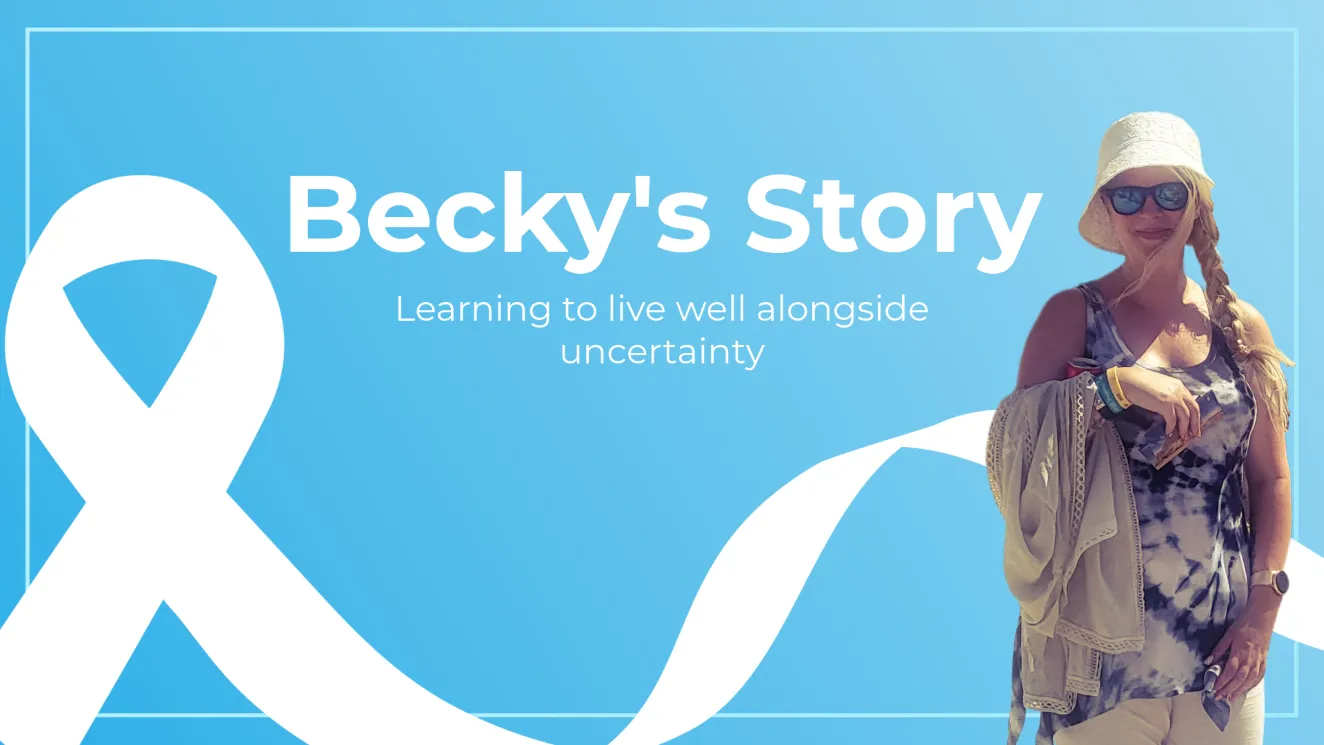

I was diagnosed in August 2020 during lockdown. Due to my age and being a non-smoker, lung cancer was not suspected at first.
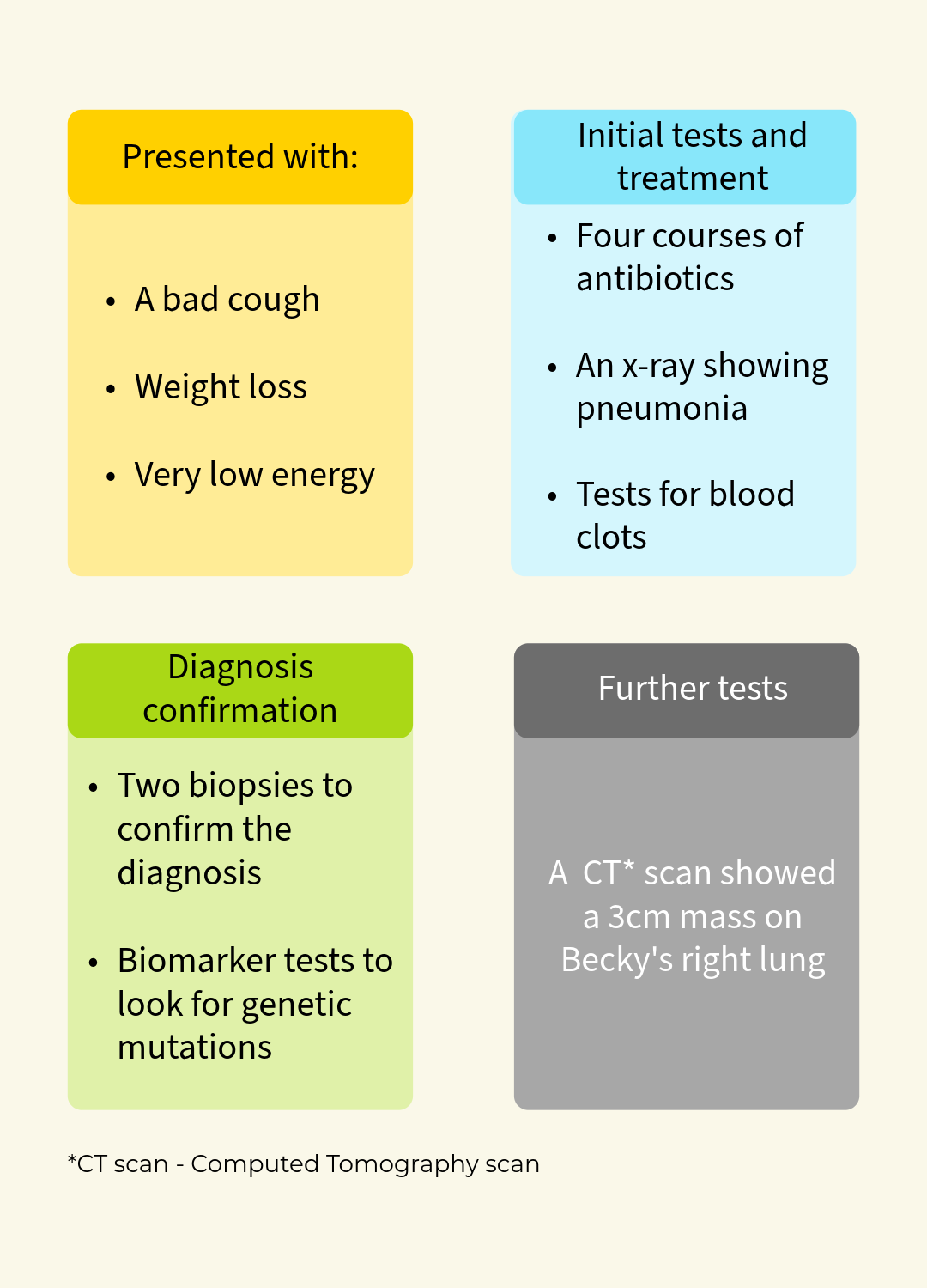
Being 34 at the time, healthy, a non-smoker and a single mum to a 5-year-old daughter, I felt like my whole world had come crashing down. I spent several hours, including many sleepless nights, worrying about cancer before I was given my results.
"I feared the worst. That my only option would be chemotherapy. That I would lose all my hair and be very sick."
It wasn’t until I attended my first oncology appointment that I learnt that I was ALK-positive (anaplastic lymphoma kinase positive) and that my treatment wouldn’t be chemo as standard of care; it would be targeted therapy (treatments that work by targeting specific changes in cancer cells). Shortly after, I started the treatment. This was in tablet form three times a day. This was hard to adjust to as I had never needed regular medication for anything prior to this. I was healthy before.
After joining an ALK Facebook support group, which my oncologist gave me the details of, I had a lot of hope that I could live a relatively normal life along with a better prognosis than I originally thought. Some of these people had been on treatment for several years.
To begin with, my cancer responded. My cough massively reduced and my main struggles were now dealing with the emotional effects of having cancer along with the side effects of the drugs. Unfortunately, after only three months, my cough increased again. A scan confirmed progression. The nature of the progression meant that neither surgery nor radiotherapy were an option. I therefore moved on to the next targeted therapy. Again, it was short-lived. I had progression. However, this time it was only in my primary tumour. This meant that I could receive a specific type of radiotherapy and that I could continue taking my current medication.
In the last five years, I’ve had a lot of different treatments and I’ve faced many challenges throughout my journey: from long-term side effects of treatment and cancer, such as adrenal insufficiency, broken ribs that have not healed correctly, and a paralysed vocal cord, to the side effects of medications and the emotional trauma I face every single day.
"It’s been a complete rollercoaster. I’ve changed so much as a person."
I’m unable to do the things I once loved, such as indoor climbing, but as a result of this, I’ve also changed in positive ways. I’ve learnt to be more independent, such as learning new skills like DIY. I’ve travelled a lot and seen so many places that I wouldn’t have seen otherwise and I’ve found new hobbies such as playing board games.
The way I stay positive is by trying new things and making plans in my diary. This keeps me going with things to look forward to between scans and results. My friends and family have also been a massive support in keeping me going and helping me to stay positive.
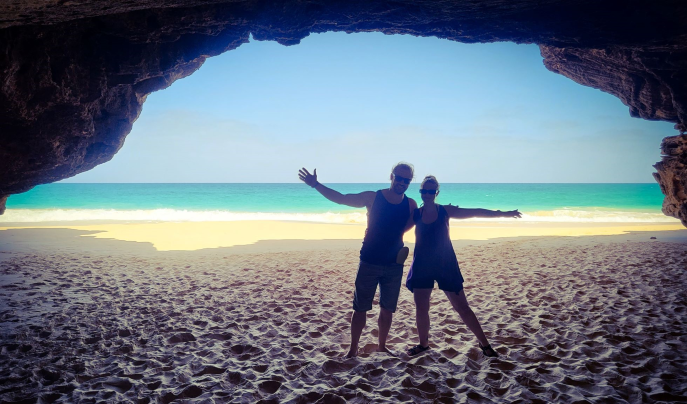
I feel like there is a stereotype when you think of cancer patients: no hair, lost a lot of weight and generally looking very unwell. I wish that people would understand that one size does not fit all with cancer. There are so many different types of cancer and treatments. They all affect people differently.
People often make comments such as “you look really well”. This is often because I have hair and, at times, I haven’t lost weight since having cancer. What people don’t realise is that you can actually gain weight from cancer treatment and also have side effects such as “moon face” from steroids. They don’t see the pain we are in a lot of the time or the medications we take to help with the side effects, which in turn cause even more side effects and symptoms. It’s often a vicious circle with you trying to balance quality of life along with prolonging it.
A lot of people hear about new cancer treatments and don’t understand why everyone can’t have them. They don’t understand that one drug doesn’t fit all, or how difficult it is to access these drugs or get accepted onto cancer trials. Trials come with a lot of conditions and exclusions which more often than not mean you are not eligible to join them. Nothing is black and white with cancer; there’s all sorts of grey areas. Not even the oncologists and experts know for sure how your cancer will respond to treatments, if they will even work and if they do, how long for.
"Don’t procrastinate, make the most out of your life and have healthy distractions in-between hospital appointments."
If I were to give advice to newly diagnosed cancer patients, it would be to tell them to join the support groups, utilise the organisations out there that offer help, such as your local hospices. These often offer a range of things from counselling, therapeutic treatments such as free massages and group meet-ups. Speak to other people that are going through similar experiences. Keep up to date on new treatments that become available. You often learn of these from the groups and people sharing their experiences rather than just from your oncologist. Most importantly, I would also say to continue to live your life. Make plans. Have things to look forward to.
The stories shared on this website are personal experiences, written in the patients’ own words. They reflect individual journeys and should not be considered medical advice or representative of all patient experiences.
Any images featured have been shared by the individuals themselves and are used with their explicit permission.