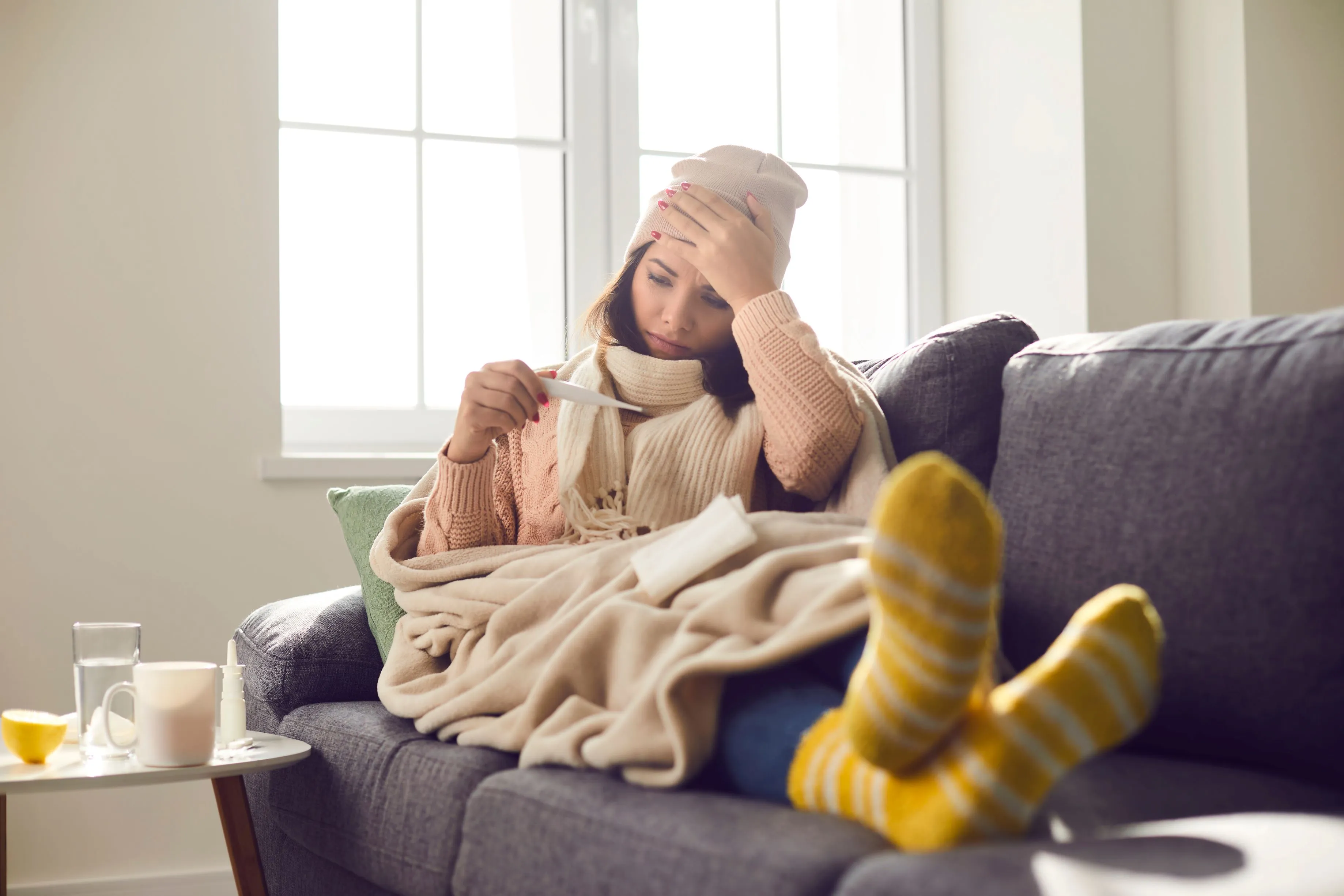

COVID-19 is an illness caused by a virus called SARS-CoV-2. You can get COVID-19 through being close to someone who is infected or from touching surfaces that have been covered with the virus.1
Who is at risk of COVID-19?
While the COVID-19 pandemic is over, the virus can still affect some people – especially among people with certain risk factors.2,3 Risk factors are certain characteristics that put someone at an increased risk of catching an illness. Some COVID-19 risk factors also increase someone’s risk of becoming seriously ill from the virus.3
Having a weakened immune system is a risk factor for COVID-19. If you have cancer, your immune system may be weakened because of the cancer itself or from undergoing treatment.1
Click here to view more information about understanding your risk status.
What are the symptoms of COVID-19?
COVID-19 may cause an array of symptoms – some are more serious than others. In some people it may not cause any symptoms at all. By knowing what to look out for, you can be in a better place to recognise whether you might be infected.3
Symptoms of COVID-19 include4:

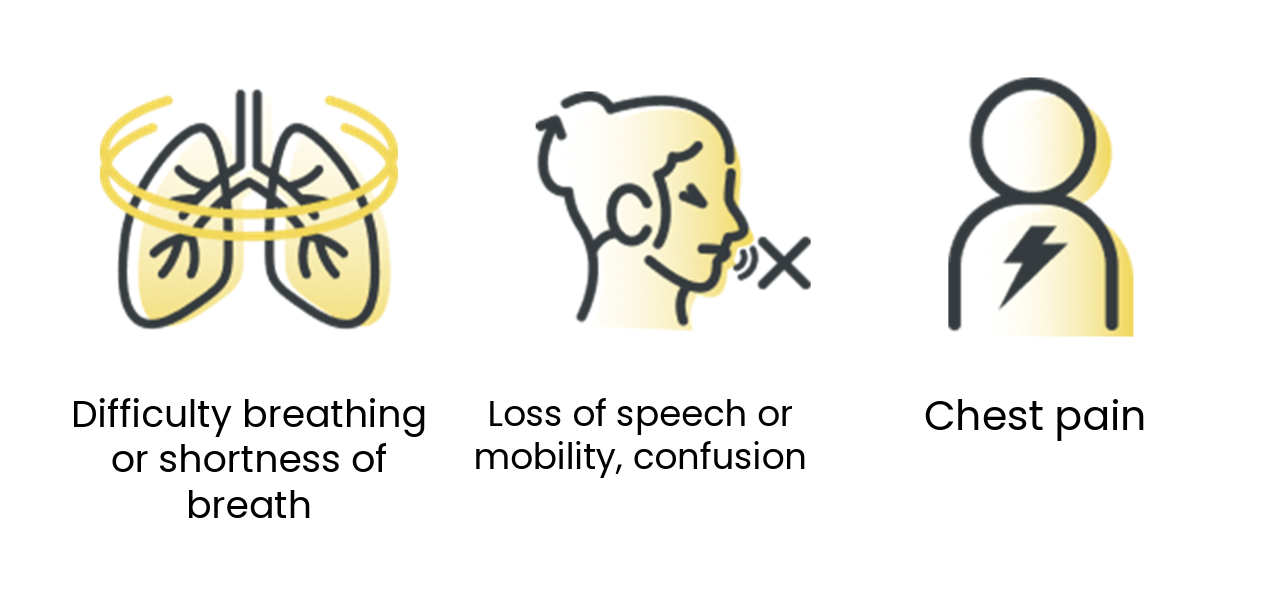
COVID-19 can also cause more serious symptoms – please seek urgent medical attention if you experience any of these:4
There are some ways you can lower your chance of catching COVID-19. These include:
- Keeping your hands clean
- Regularly wash your hands with soap and water, or use hand sanitiser to kill germs5,6
- Keep up to date with your vaccinations
- Vaccines can help protect you against COVID-197
- If you are over 75 years old or have a weakened immune system because of having cancer, then you may be eligible for a vaccine through the NHS8
- Wear a protective mask when in public
- If your immune system is reduced because of cancer or your treatment, wearing a mask can help reduce your chance of getting the virus5,9
How to know whether you have COVID-19?
It’s important to do a COVID-19 test as soon as you suspect you might have it. This could be because you came into contact with someone who has it, or because you are showing some symptoms. Each day matters when treating COVID-19 because treatment is more effective if it is given sooner – so don’t delay testing.10,11
You can check if you have COVID-19 using a lateral flow test. They are available for free on the NHS to people who are at the highest risk of getting seriously ill from COVID-19.12,13,14
Depending on where you live, select to learn about local COVID-19 testing options:
Visit NHS England Visit NHS Scotland Visit NHS Wales
What to do if you have COVID-19?
If you test positive and you’re at an increased risk for developing severe COVID-19, ask your doctor right away about treatment options. Treatments can help with managing symptoms and reducing your risk of becoming seriously unwell. They are most effective when taken as soon as possible after coming into contact with the virus.10,11,15
There are also some things you can do at home to help you cope with COVID-19 symptoms. These include:3
DO
- Stay at home and avoid contact with other people as much as possible
- Rest as much as you can
- Drink plenty of water to stay hydrated
- Take paracetamol or ibuprofen if you feel pain
- Breathe in slowly through your nose and out through your mouth if you’re feeling breathless
- Sit upright as much as possible; consider using more pillows in bed to keep you upright
DON’T
- Go to work, school, or do your normal daily activities until you’re feeling better
- Lie on your back if you have a cough
- Use a fan to cool your living space – as this may spread the virus
- Panic if you’re not feeling well – this can make symptoms like breathlessness worse
Will having COVID-19 interfere with cancer treatment?
If you catch COVID-19 when having treatment for cancer, it can be worrying. You may feel anxious about whether treatment can still go ahead or worried about how it will make you feel.1
The good news is that having COVID-19 usually doesn’t impact cancer treatment. Generally, it’s recommended that people continue with their treatment unless told otherwise by their doctor and care team. If you have COVID-19 and are undergoing treatment, make sure you speak with your doctor and find out the best course of action.1
COVID-19 may still be a risk – especially for people with risk factors, such as a weakened immune system.3 If you’re living with cancer or undergoing treatment, it’s important to take precautions where possible to avoid coming into contact with the virus. By being aware of COVID-19 symptoms and knowing what to do if you experience them, you may be better prepared to access the care and treatment you need.

References
- Macmillan. Coronavirus (covid) and cancer. Available from: https://www.macmillan.org.uk/coronavirus/cancer-and-coronavirus [Accessed September 2025].
- Our World in Data. United Kingdom: Coronavirus pandemic country profile. Available from: https://ourworldindata.org/coronavirus/country/united-kingdom [Accessed September 2025]
- NHS. COVID-19 symptoms and what to do. Available from: https://www.nhs.uk/conditions/covid-19/covid-19-symptoms-and-what-to-do/ [Accessed September 2025].
- WHO. Coronavirus disease (COVID 19): Symptoms. Available from: https://www.who.int/health-topics/coronavirus [Accessed September 2025].
- WHO. Advice for Public. Available from: https://www.who.int/emergencies/diseases/novel-coronavirus-2019/advice-for-public [Accessed September 2025].
- WHO. Save lives: clean your hands - in the context of COVID-19. Available from: https://www.who.int/publications/m/item/save-lives-clean-your-hands-in-the-context-of-covid-19 [Accessed September 2025].
- WHO. Coronavirus disease (COVID-19): variants of SARS-COV-2. Available from: https://www.who.int/emergencies/diseases/novel-coronavirus-2019/question-and-answers-hub/q-a-detail/coronavirus-disease-%28covid-19%29-variants-of-sars-cov-2 [Accessed September 2025].
- NHS. COVID-19 vaccine. Available from: https://www.nhs.uk/vaccinations/covid-19-vaccine/ [Accessed September 2025].
- WHO. Coronavirus disease (COVID-19): masks. Available from: https://www.who.int/emergencies/diseases/novel-coronavirus-2019/advice-for-public/when-and-how-to-use-masks [Accessed September 2025].
- Bestetti R, Furlan-Daniel R, Silva V. Pharmacological treatment of patients with mild to moderate COVID-19: A comprehensive review. Int J Environ Res Public Health. 2021;18(13):7212.
- Guan W-J, Liang W-H, Shi Y, et al. Chronic respiratory diseases and the outcomes of COVID-19: A nationwide retrospective cohort study of 39,420 cases. J Allergy Clin Immunol Pract. 2021;9(7):2645-2655.e14
- NHS England. COVID-19 rapid lateral flow test. Available from: https://www.nhs.uk/tests-and-treatments/covid-19-rapid-lateral-flow-test/ [Accessed September 2025].
- NHS Inform. Coronavirus (COVID-19). Available from: https://www.nhsinform.scot/covid19 [Accessed September 2025].
- NHS Wales. Getting tested for coronavirus (COVID-19). Available from: https://www.gov.wales/get-tested-coronavirus-covid-19 [Accessed September 2025]
- NHS. Treatment for COVID-19. Available at: https://www.nhs.uk/conditions/covid-19/treatments-for-covid-19/ [Accessed September 2025].