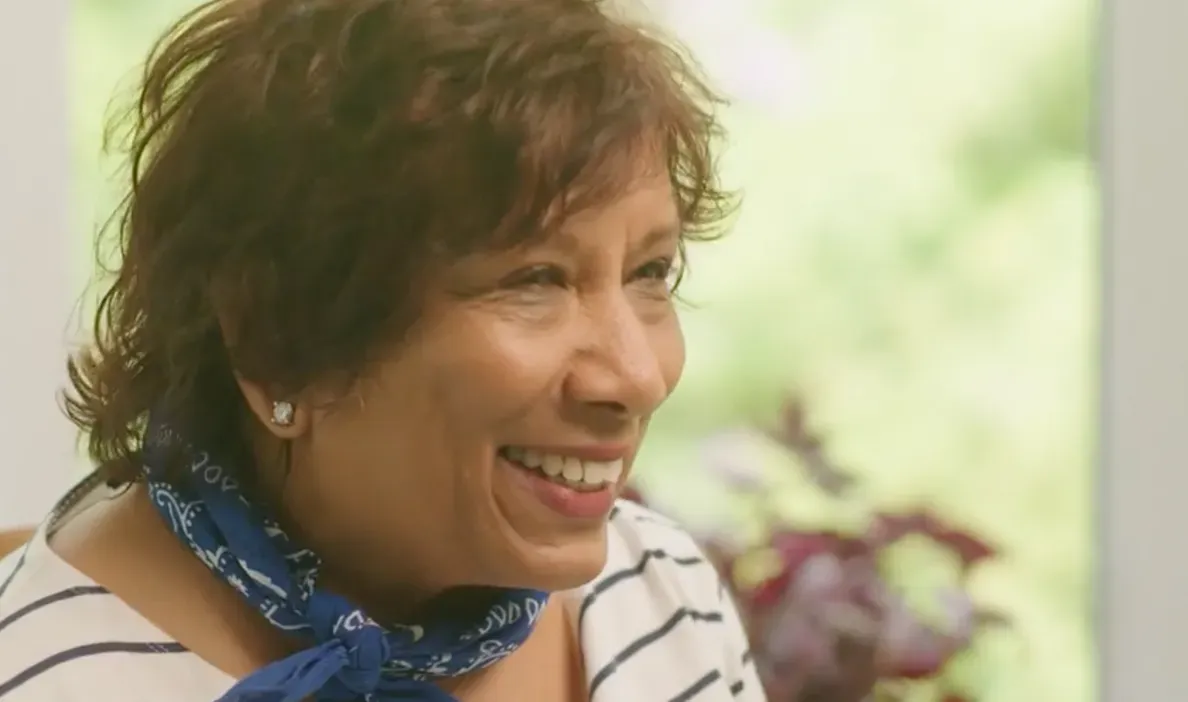
Antoinette's Story: Motherhood, Myeloma, and Me




I was 39 when my life changed forever. I had just returned to work after maternity leave, juggling a baby, a four-year-old, and a full-time stressful job. I was exhausted, but I put it down to motherhood, work, life. You know, the usual chaos, office politics and dramas!
Still, something didn’t feel right. I couldn’t shake the tiredness, so I went to my GP and told her I thought I might have postnatal depression, because that’s how I felt, pretty drained and depressed! Thankfully my GP took me seriously and did blood tests.
The results came back and everything in my blood work was completely off. More tests followed at hospital. Eventually, I was told I had Monoclonal Gammopathy of Undetermined Significance (MGUS is a precancerous condition, with the potential of progressing to multiple myeloma)- something I’d never heard of. I remember the doctor saying: “This is good news, some people live with MGUS their whole lives and never need treatment.”
But it didn’t feel like good news. I still felt awful - exhausted, drained, not myself. The plan was to review me again in three months. So, I did what many people would do, I tried to get on with life. We took a family trip to Jamaica. I tried to be present for my kids and hold onto some joy.
The fatigue didn’t ease off. On top of that, I was made redundant. That hit me hard. I felt like I’d failed at everything: work, motherhood, life and being a good wife. The depression cut deeper. I went back for the 3-month follow-up and I was told that the MGUS had progressed to myeloma. So much for never needing treatment. I thought… this can’t be right, I’m only 39! So, I asked for a second opinion and was referred to St. Barts Hospital. More tests confirmed that I had multiple myeloma. And yes, it was unusual at the time to be diagnosed at 39. But here I was sat in the doctor’s office with my husband completely stunned, and my toddler in his pushchair playing with his toys blissfully unaware that his mummy could die.
Since then, I’ve had 9 lines of different chemo treatments. I’ve had a stem cell transplant. I’ve had 13 spinal fractures. I’ve lost 3 inches in height. I’ve gained scars, physically and emotionally. But I’m still here and still fighting.
What Keeps Me Going
"My children. They are my purpose, my reason to fight. All I want is to see them grow up, hit their milestones, become whoever they’re meant to be and to simply guide them. I also hold onto hope. Myeloma research is moving fast - new treatments mean new possibilities. I truly believe a cure isn’t as far off as it once felt."
But beyond all of that, I’ve learned that mindset matters. Even when I’m struggling, even when I’m hurting and screaming into my pillow, I try to find something, anything, to be grateful for. Some days, that’s just managing to get out of bed. And that’s all good.
What I Wish People Understood
"Myeloma doesn’t always look how people expect it to. I might look “well,” but that doesn’t mean I am well. This cancer doesn’t go away - it just goes quiet."
And I never know when it will wake up again. Every 4-week check-up feels like I’m sitting on a ticking time bomb, waiting to hear whether I’m still stable or if the bomb has exploded! It’s exhausting. Mentally. Emotionally. Physically. And while I try to stay strong, I wish more people knew how heavy that quiet waiting can be.
To Anyone Newly Diagnosed:
I know how scary it is. The words myeloma and incurable hits hard, and it’s okay to feel overwhelmed. But here’s what I have learned:

I never imagined I'd be telling my story 13 years later, but if it helps even one person feel less alone, then it's worth sharing.