A marathon not a sprint: Anika's journey through Multiple Myeloma


Can you tell us a bit about your journey with multiple myeloma?
When I was 32 years old, I started running a race! The problem is although I’ve travelled some distance and navigated some very tricky terrain, I still don’t know where the finish line is. My journey started in 2012 after I was diagnosed with multiple myeloma (MM) whilst pregnant with my second child. Apart from fatigue which I associated with my pregnancy and anaemia that was picked up during my routine ante-natal appointments, I did not experience any symptoms commonly associated with the disease. Receiving confirmation was devastating and I was scared. The life I lived and the future I imagined for myself ended abruptly that summer and that’s when my race for life began!
Over a period of five years, I had over 15 rounds of chemotherapy, two autograft transplants, where my heathy cells were harvested then reintroduced to my body, and one allograft transplant using cells donated from my sister.
"Her gift to me was a blessing as I did not have the added anxiety of searching for a suitable donor, which is significantly more difficult if you are black, brown or mixed heritage."
My journey to recovery has been a marathon with physical and emotional lows and highs. From hair and weight loss to relapse after my first transplant and graft versus host disease to name but a few. As I continue to jog through life, I am hopeful that this November I will celebrate my 9th year in remission following my allograft transplant in 2016.
What has helped you cope or stay positive during your experience?
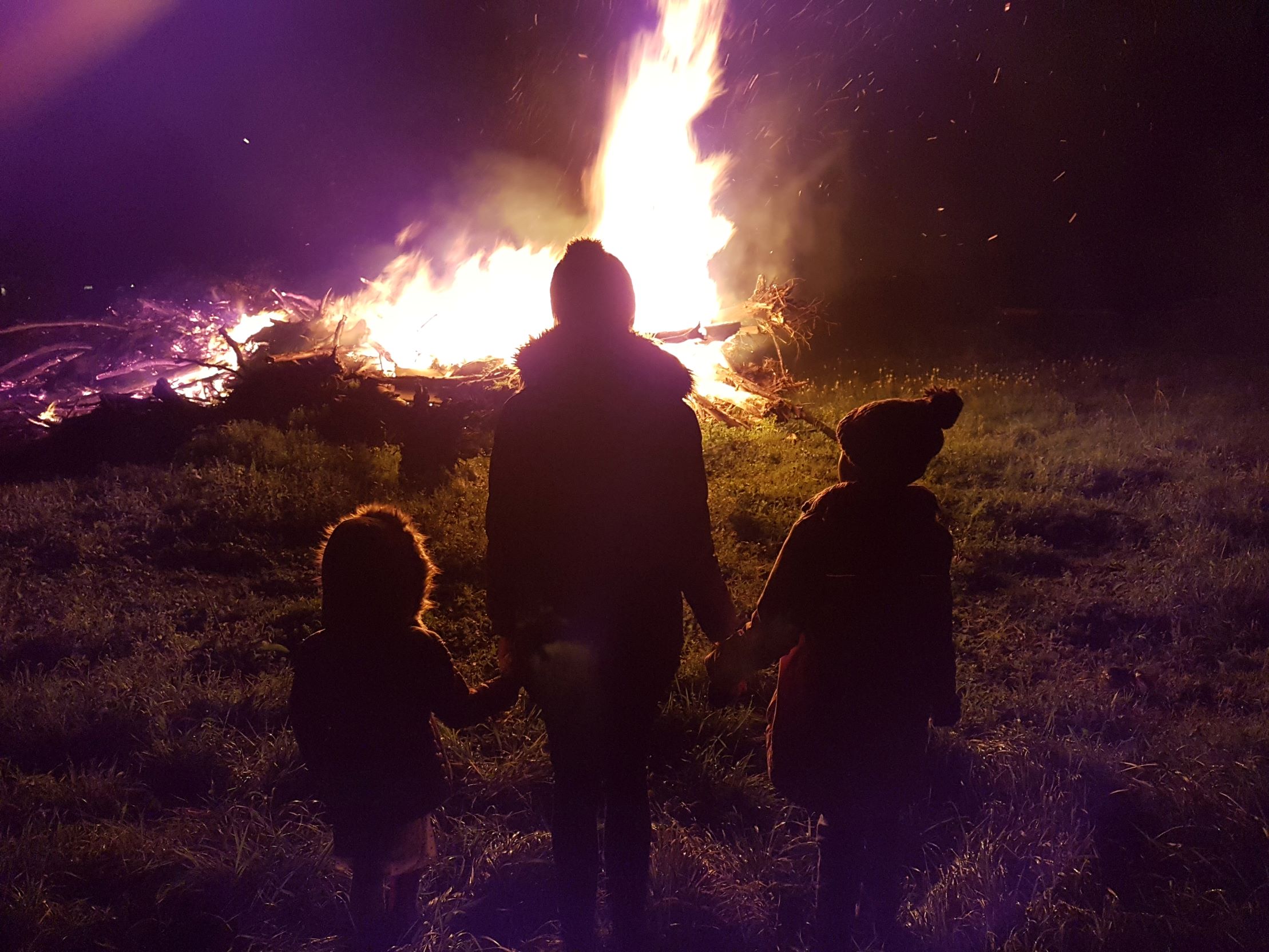
I have been supported by my loving family, amazing friends and faith. Having multiple myeloma has at times been very isolating due to the treatment process. There were times when I was too weak or immunosuppressed to enjoy life as I did prior to being diagnosed. Having family and friends who understand my limitations has helped me to remain positive especially when I’m feeling vulnerable or weary. My children have kept me focused and serve as a reminder to engage fully in life. We prioritise our time together and focus on creating and capturing memories.
During my treatment and recovery, I received counselling. This was invaluable in helping me cope with my ever-changing new reality.
"It became evident that therapeutic intervention, both during treatment and thereafter, played a crucial role in my path to remission."
What do you wish more people understood about living with MM?
Living with MM is life changing, life altering and complex. It is currently incurable and for many patients invisible. It requires lifelong management by those directly and indirectly affected, and the physical and psychological impact of navigating life can at times be immensely stressful.
No two patients are the same. The disease is indiscriminate and treatment options are evolving rapidly, giving hope to people like me and improving our quality of life.
"There is a shortage of blood and stem cell donors from minority ethnic backgrounds. People like me have less opportunity of treatment options and survival because of this."
What message would you like to share with others who may be newly diagnosed?
- This journey is not a sprint it’s a marathon, so prepare yourself physically and emotionally as best as you can.
- Ask, ask and ask again! If you are unsure about a process or need more time to gather your thoughts.
- You know you best, others need to learn about you so you can work as a team to achieve the best outcome for you.
- Don’t be “strong” be courageous instead. This is a daunting time with lots of new experiences.
- Accept the help. Whether it’s a cup of tea, putting the laundry on or someone offering to attend a hospital appointment with you …”Yes please!”.
- Keep a diary, you’ll be amazed at the distance travelled.
- Get to know your Clinical Nurse Specialist they are more accessible than your consultant and can offer specific support.
- Be kind to yourself and pace yourself. Having treatment is gruelling and takes time.
- Remember YOU ALWAYS HAVE CHOICES. To have treatment or transplant is a big decision. Do your research so you are confident in whatever you decide.