There’s More to Me Than Cancer: LGBTQI+ Stories of Authenticity Through Cancer Care


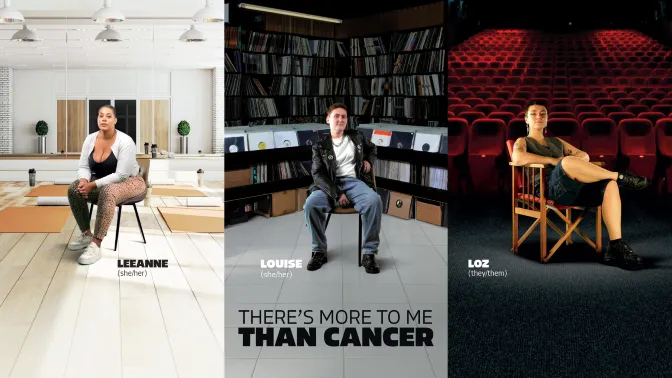

Leeanne (00:15): There's more to me than cancer.
Louise (00:17): There's more to me than cancer.
Loz (00:18): There's more to me been cancer.
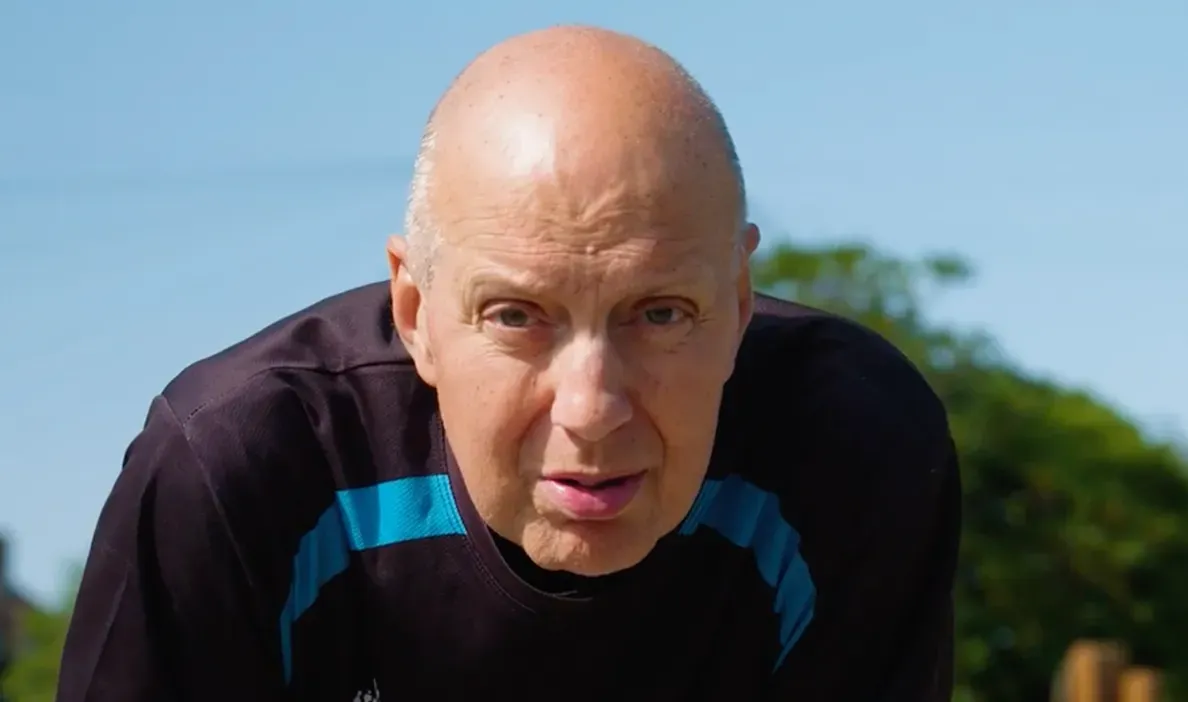
Leeanne (00:21): My name is Leeanne. I'm 39 from London, and most of my hobbies involve movement, running yoga, spinning, swimming and sleeping, which isn't much movement at all really.
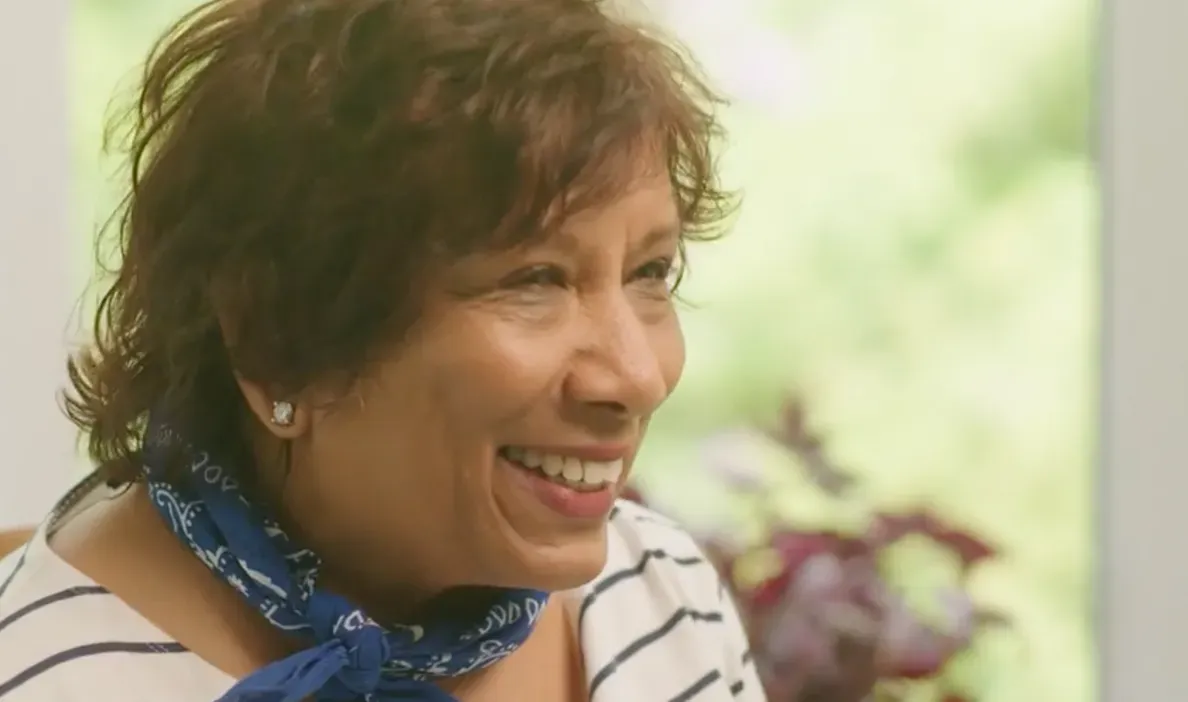
Louise (00:32): Yeah. I'm Louise. I'm a photographer. I'm really into vinyl and old music, like New Wave, Brit Pop and Manchester scene.
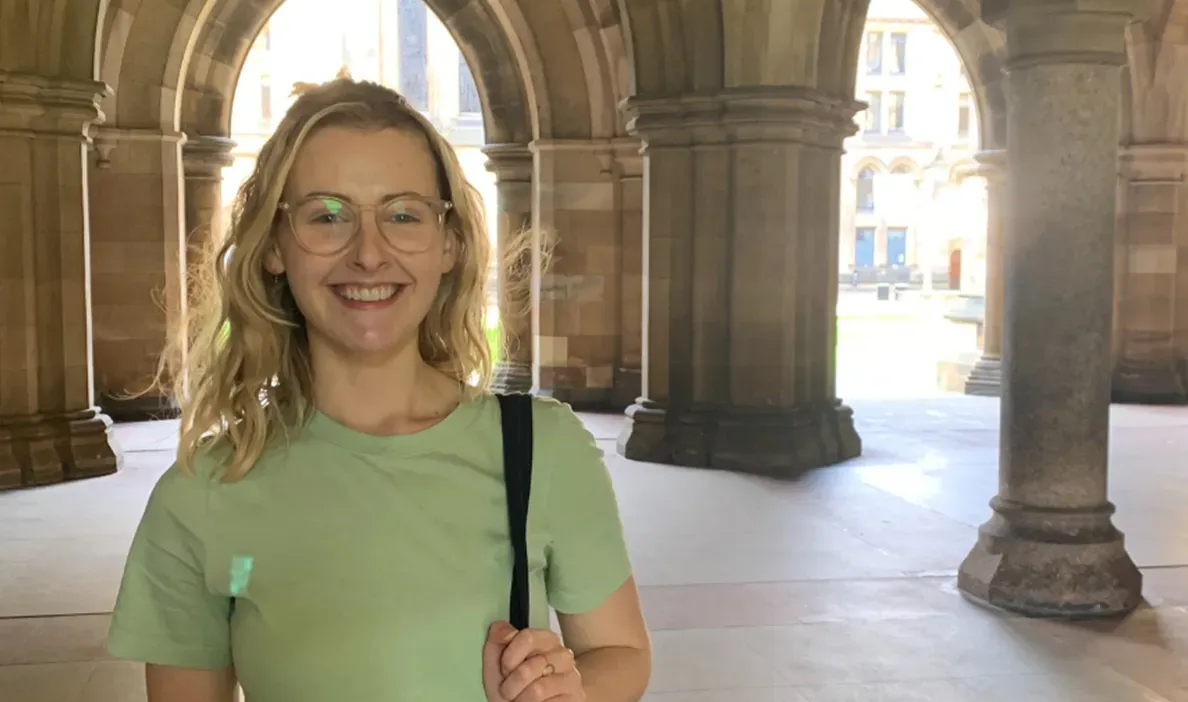
Loz (00:43): Hi, my name is Loz. My pronouns are they/them. I currently am studying in Manchester, I'm a postgraduate student. And I guess one of my main hobbies would be going to the cinema, I love to watch films.
Leeanne (00:56): There’s more to me than cancer means that I have a life outside of treatment. I have things that I want to do and I want to be able to do them without worrying about my diagnosis or where my health's at.
Louise (01:09): There's more to me than cancer. That kind of statement means that I want to be seen as more than just a patient. I want to be seen as someone who has a life, has a job, has hobbies.
Loz (01:22): There's more to me than cancer means to me basically what it says on the tin, my cancer has never ever defined who I am. I'm a well-rounded person. I have hobbies, I have interests, I have friends. I have a very enriched life outside of that and outside of the hospital setting.
Leeanne (01:42): When healthcare professionals are interacting with the LGBTQI+ community, they need to be unassuming, assumptions really can make it difficult for us as patients. So we want people who are going to be judgment free, not making assumptions about who we are and what we do and want to be understanding of our circumstances without putting pressure on us to become something that we're not.
Louise (02:05): I think in healthcare settings, the LGBT+ community isn't necessarily heard and listened to. And we want to be heard, we want to be seen. And it's really important to ask those questions to kind of get to know us a bit more, not make those presumptions. And the more you ask, the more you know. I think I've had really good positive experiences when people have been asking me specifically about my lifestyle and getting to know me instead of ignoring lots of questions, ignoring my sexuality, gender, things like this, it's really important to understand that about person.
Loz (02:44): I've talked to a few other young people like my age and older that have had cancer that feel sort of similar in that there's a cookie cutter of what a healthy, successful post-cancer or successful recovering from cancer individual looks like. In a happy heterosexual relationship, and you need to be confident in your body, but in the way that a cisgendered person would be. And I think if we move away from that expectation, it becomes a lot easier, because it's not the be all and end all for everyone. Leeanne
(03:14): Everyone. For any other LGBTQI+ patients who are going through cancer treatment, it can be really difficult to show up authentically as yourself. And I think that you need to, if you can make a judgment based on the people who are around you and don't be scared to say what you need and how you need it to be done. It can be scary to do that, but looking at the people who are looking after you and understanding that they should have your best interest at heart will hopefully make that a little bit easier.
Louise (03:42): My advice for other plus patients is that if you are hesitant, you can do it in confidence and you make sure that you are very clear and you know what you need to say to someone.
Loz (04:00): For other LGBTQIA cancer patients, I would just say take your time with it. Because for me, I had cancer when I was a bit younger and then I finished treatment and then started realising I was queer. And those are two very big things to deal with, but just be kind to yourself and you don't have to figure everything out because you're going through a lot of big process and the big changes and it's sometimes you do feel and want to hide that bit of yourself, and that's not necessarily a bad thing, but the safe spaces are there.