Paul's story: Resilience, positivity, and an unexpected start


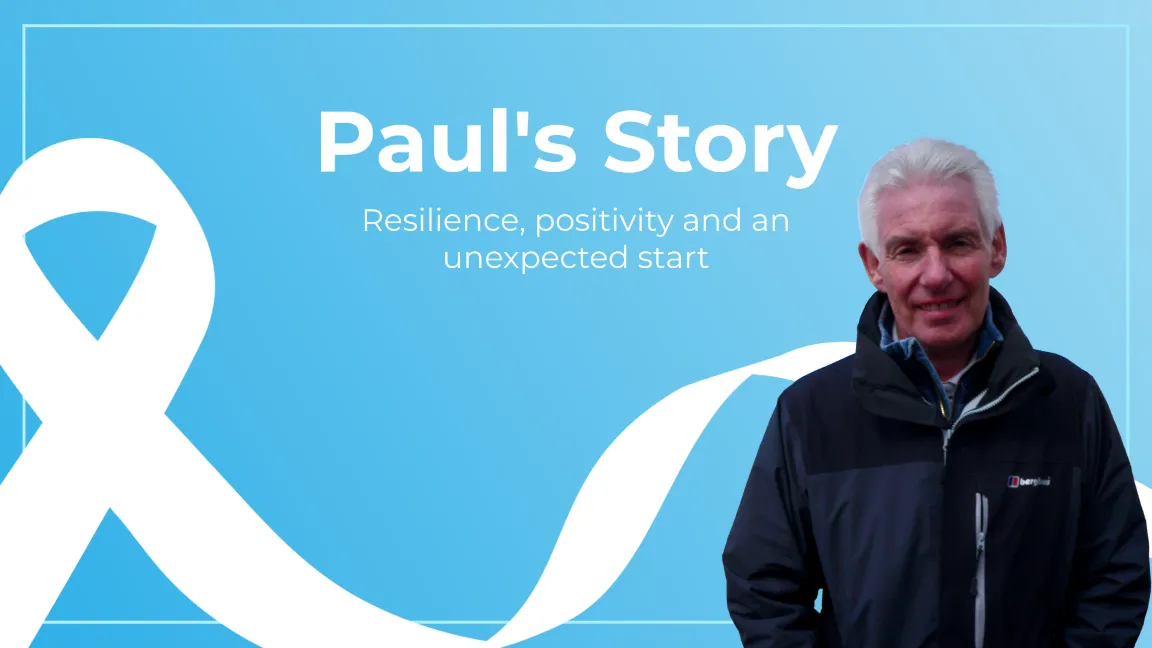

When I look back, I would never have thought that I would be writing this blog almost ten years later, still living a very active lifestyle at 72 years of age.
An unforgettable start, because the morning following my diagnosis was my wife’s 60th birthday and the start of a planned long weekend of family celebrations, but I was still in hospital!
After being given the diagnosis, my wife and I both sat there in disbelief, trying to comprehend how I could have lung cancer. I had never smoked, and I had been going to a gym two to three times a week for an hour workout followed by 30 minutes of lane swimming. I had no symptoms, so how could it be that I had lung cancer?
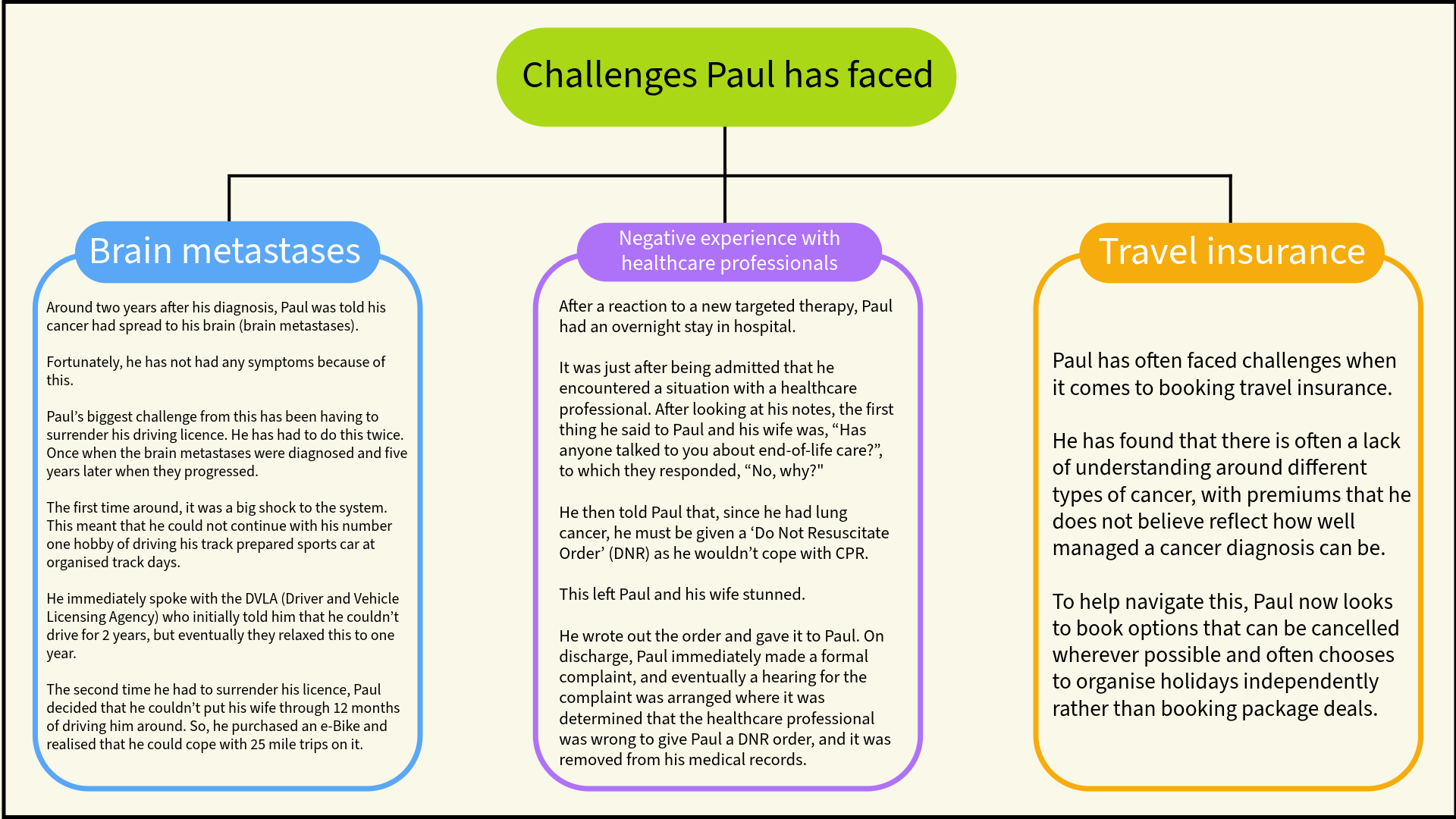
Little did we know that we were at the start of a rollercoaster journey. Over the past 9 and a half years we have had a few setbacks but have remained resilient and positive, largely due to being able to live an ordinary lifestyle for 95% of the time.
What do you wish more people understood about living with ALK-positive lung cancer or cancer in general?
I wish that more people understood that there are different forms of lung cancer and that not everyone who has lung cancer has been a smoker. This can be particularly true within the NHS where I have encountered numerous times nurses asking me, “Have you now given up smoking?”.

My message to those who are newly diagnosed with ALK-positive lung cancer
My message is do not give up hope, and do not, under any circumstances, try looking at what the internet has to say. Once you are over the initial shock, try to seek out and join the support groups. You will find a multitude of people like yourself, with plenty of stories that will give you hope. When I started out 9 and a half years ago, there was no support like there is now. If there had been, I would have been much more informed and relaxed than I was.
Another piece of advice that I would give is to try to form a good relationship with your oncologist. Your oncologist should be one of your new friends, and, hopefully, they will be open and approachable, so make sure that you talk openly with them.
Finally, make sure that you learn as much as you can about the cancer. Do not be afraid to ask lots of questions.
The stories shared on this website are personal experiences, written in the patients’ own words. They reflect individual journeys and should not be considered medical advice or representative of all patient experiences.
Any images featured have been shared by the individuals themselves and are used with their explicit permission.