Coping with weight gain



What causes weight gain?
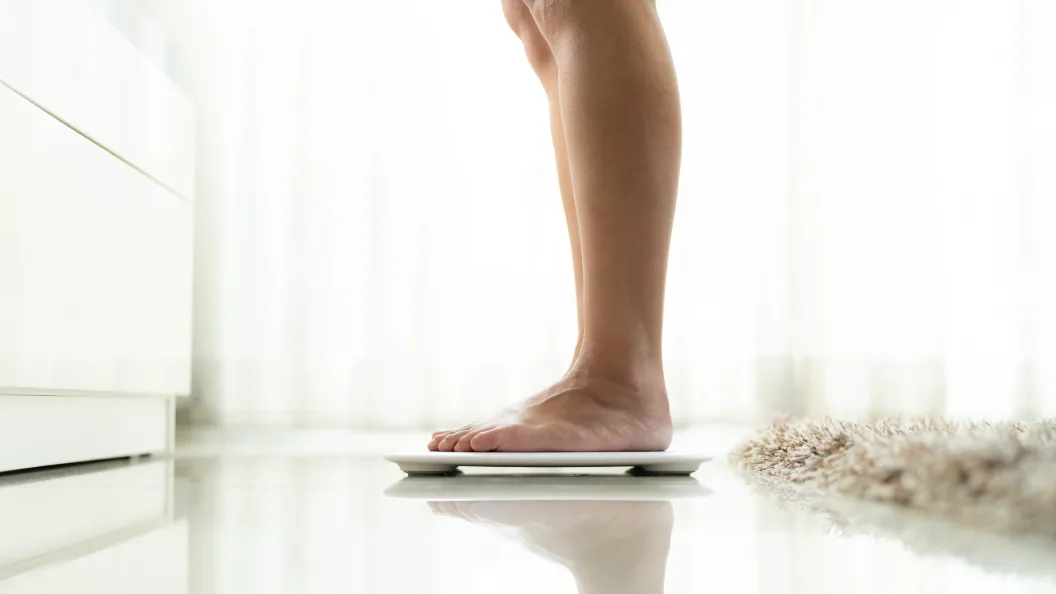
Weight gain is more common for people with ovarian, breast or prostate cancer. It doesn’t happen to everyone with these cancers, and it’s possible for people with other cancers to also experience weight gain.1
Weight gain may be caused by cancer affecting the way the body works or how you feel, or it may be experienced as a side effect of treatment. Some of the treatments associated with weight gain include hormone therapy, steroids and chemotherapy.1,2
But what exactly causes some people with cancer to gain weight? It’s not completely clear what causes weight gain, but there are a few things likely at play:1,2,3
- Increased appetite:
- Some treatments may make you feel hungrier, meaning you may eat more food and gain weight
- Fluid retention:
- Some treatments cause fluid to build up in the body (known as oedema), which can appear as weight gain on the scales
- Being less active:
- Experiencing tiredness or pain can make you less physically active than you were before your cancer diagnosis, meaning you may not use as much energy as you used to each day
- Changes in your metabolism:
- Hormone therapy lowers the level of some hormones in the body, which can affect the body’s metabolism – meaning how quickly we burn energy
- Feeling depressed, anxious or emotional:
- This may cause you to comfort eat and/or exercise less if you don’t feel up to it, which may cause weight gain
- Experiencing menopause:
- Some cancer treatments can cause early menopause which can result in weight gain
- Stopping smoking:
- For people who decide to stop smoking when they learn about their cancer diagnosis, they may gain weight because of increased appetite
It’s important to remember that ‘normal weight’ looks different to everyone. It can depend on your sex, age, ethnicity and how muscley you are. Not all weight gain is a concern. You may have small fluctuations, or you may have a small increase yet still be in your normal range per your BMI calculation. Weight gain is more of a concern if it puts you in the ‘overweight’ or ‘obese’ BMI brackets, or if it’s a sudden and substantial increase. You can read more about BMI here.1,2,4
Potential ways to combat weight gain
Managing weight gain can be difficult when it’s not exactly clear what’s causing it.3 Below are some things that might help you understand and combat your weight gain. Remember, always tell your care team if you experience any new or sudden weight gain.
Understanding the side effects of your treatment
Some treatments come with specific side effects.3 There may be some simple things you can do to help manage these side effects. For example:
- If you have swelling because of treatment, avoid foods high in salt – these include sauces, dressings, cheese, olives, certain long-life foods (including bread and canned food), and salt1
- If you have increased appetite, try buying food in single-serving containers or keep a food diary to help you avoid overeating1
- If your treatment has affected your digestion, you may prefer to avoid high fibre foods such as wholemeal breads, cereals and pastas or certain fruits and vegetables5,6
Making diet changes
Weight gain isn’t always due to poor diet, but a healthy diet may help you manage your weight. It’s also important for ensuring you are getting the nutrients your body needs.2,6 A healthy diet includes plenty of fruits and vegetables, as well as protein from lean meat or plant sources.1,5
Here are some simple ways to take control of your diet:1
- Plan your meals in advance – having a plan often helps people stick to a healthy diet
- Keep your cupboards, fridge and freezer well stocked with nutritious foods – this may help you make good choices when you are short of time or energy
- Use less salt when cooking and seasoning food
- Try to cut out ‘empty calories’, such as fizzy drinks, alcohol – these are often high in calories but provide little-to-no nutritional value7
- Try to swap some full-fat products for reduced fat products – for example, skimmed milk instead of full-fat milk, or lean beef instead of full fat7
- Avoid cooking methods that use oil (e.g. when boiling, airfrying or baking) or try to cook with as little oil as is possible
Being more active
Cancer can make it difficult to exercise and stay active, but there may be some exercises you are able to manage. Staying physically active may help with weight management. It also has other benefits, such as boosting your immune system and helping you to recover from treatment.2
Some low impact exercises to consider include:2,5,6
- Walking – which can be made more fun by asking a friend or family member to join you
- Swimming, running or cycling – which should be done at a speed and intensity that feels right for you
- Flexibility exercises, such as yoga and stretching – there may be classes in you local area that you wish to attend or you may prefer to do these from the comfort of your own home
- Making active choices – for example, choosing to take the stairs instead of using the lift
- Housework or gardening – these are ways to get active and move your body, while ticking something off your to-do list too!
Remember, start gradually and build up your exercises only when you feel able to. It’s important not to overdo it and always follow guidance from you healthcare team.6
Joining a support group
Speaking to other people in a similar position to you can be a great comfort. You can share your experiences and learn from each other. Cancer support groups are there for anyone affected by cancer – you can learn more about these here. Or you may prefer to join an exercise or weight management group – but remember not everyone here is affected by cancer so some of the information may not be appropriate for you.2,6
Remember to speak to your doctor if you are worried about weight gain. They will be able to provide specific guidance and support based on your individual situation.
References:
- National Cancer Institute (NCI), Weight changes, malnutrition, and cancer. Available at: https://www.cancer.gov/about-cancer/treatment/side-effects/appetite-loss [Accessed June 2026]
- Macmillan Cancer Support, Weight gain after cancer treatment. Available at: https://www.macmillan.org.uk/cancer-information-and-support/impacts-of-cancer/weight-gain-after-cancer-treatment [Accessed June 2026]
- World Cancer Research Fund (WCRF), Weight gain and cancer treatment. Available at: https://www.wcrf.org/living-well/living-with-cancer/your-questions-answered/weight-gain/ [Accessed June 2026]
- NHS Inform, How do I measure my body mass index (BMI)? Available at: https://www.nhsinform.scot/healthy-living/weight-loss/understanding-healthy-weight/how-do-i-measure-my-body-mass-index-bmi [Accessed June 2026]
- Maggie’s Centres, Weight changes and cancer. Available at: https://www.maggies.org/support-information/living-with-cancer/managing-symptoms-and-side-effects/weight-changes-and-cancer/ [Accessed June 2026]
- Macmillan Cancer Support, Managing weight gain after cancer treatment (booklet). Available at: https://www.macmillan.org.uk/dfsmedia/1a6f23537f7f4519bb0cf14c45b2a629/19049-10061/MAC12167_Managing-weight-gain [Accessed June 2026]
- Healthline, Recognising and limiting empty calories. Available at: https://www.healthline.com/health/food-nutrition/empty-calories [Accessed June 2026]